How Long Does a Paved Driveway Last? (And How to Make It Last Longer)
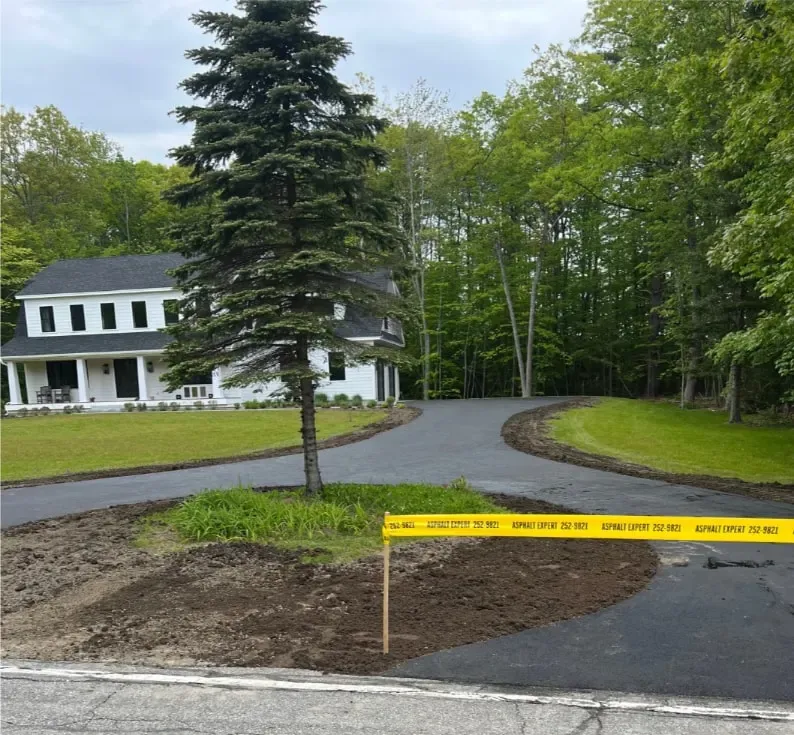
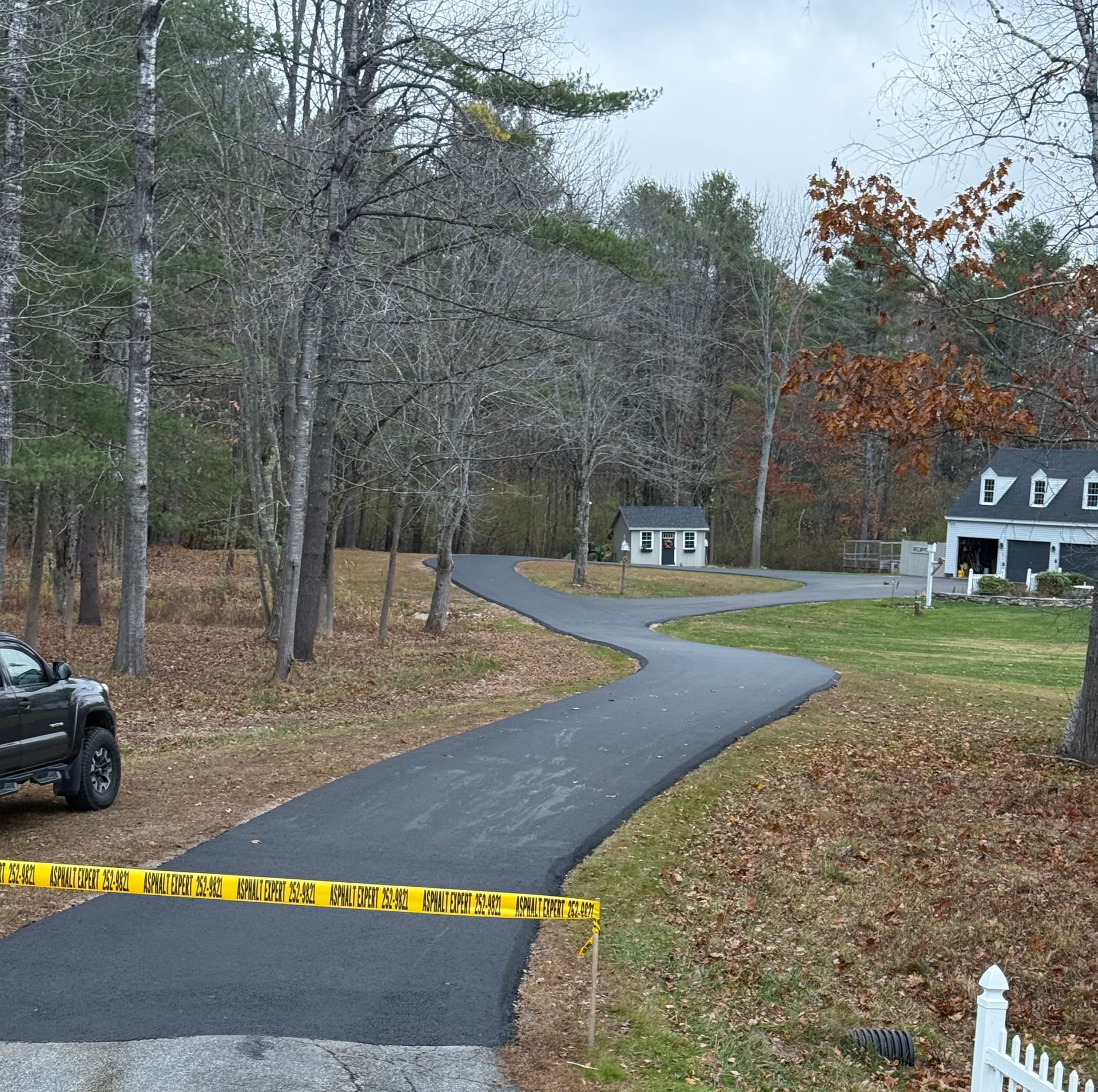
The honest answer: a well-installed asphalt driveway in Maine can last 20 to 30 years — but only if it's built right and maintained properly.
The body content of your post goes here. To edit this text, click on it and delete this default text and start typing your own or paste your own from a different source.aIt's one of the most common questions we hear at Asphalt Expert: "How long is this going to last?" It's a fair question — a new driveway is a significant investment, and you want to know you're getting your money's worth.
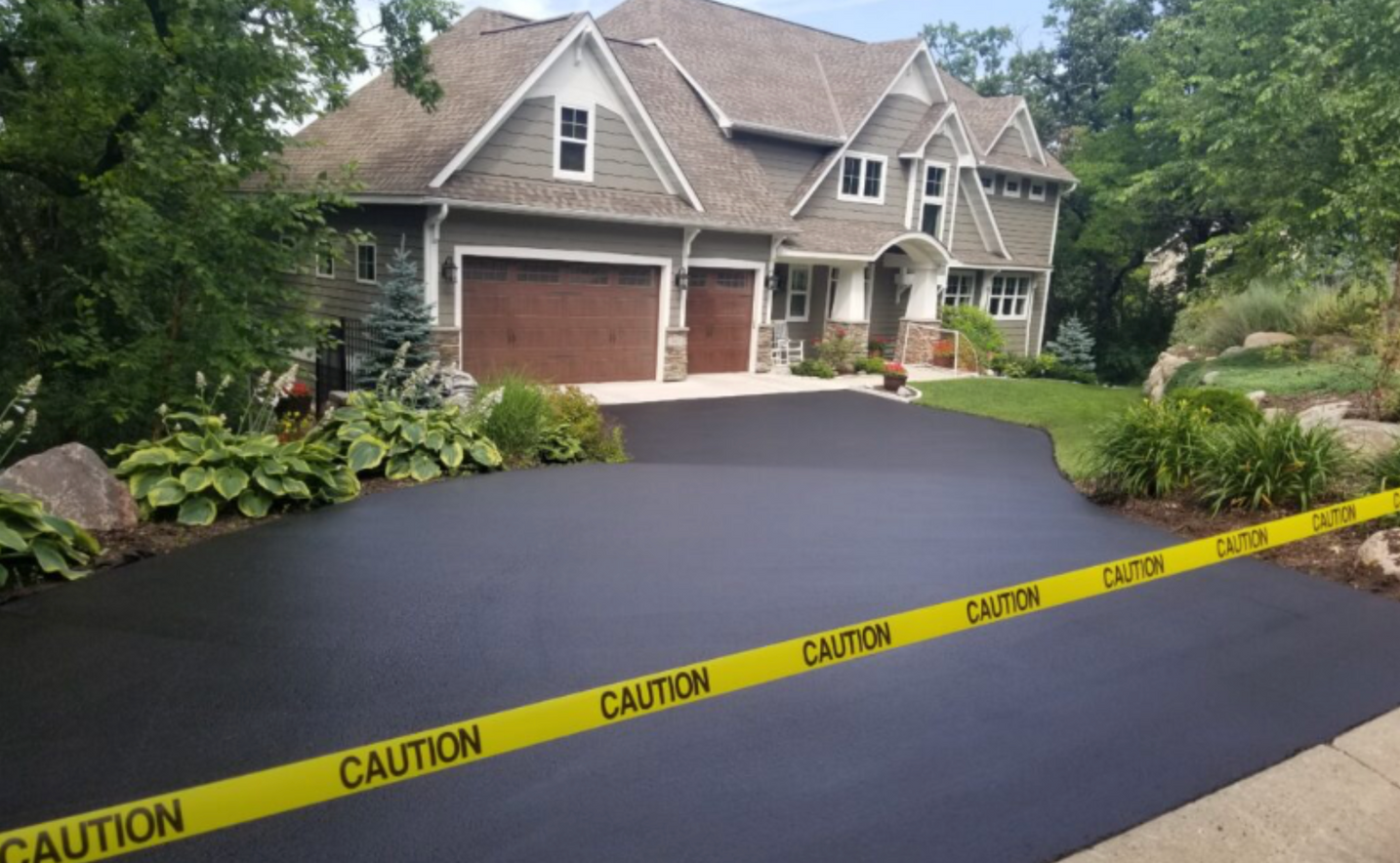
The honest answer: a well-installed asphalt driveway in Maine can last 20 to 30 years — but only if it's built right and maintained properly. Cut corners on installation or skip the maintenance, and that number can drop to 10 years or less.
Here's what actually determines how long your driveway lasts, and what you can do to protect it.
It All Starts With the Base
The most important factor in driveway longevity isn't the asphalt itself — it's what's underneath it. A properly prepared gravel base (typically 6–8 inches of compacted gravel) provides the stable foundation that allows asphalt to flex without cracking under the weight of vehicles and the stress of Maine's freeze-thaw cycles.
At Asphalt Expert, we've seen plenty of driveways that failed prematurely because a previous contractor paved right over an unstable or poorly graded base. Owner Joe Sparks has pulled back asphalt on job sites to find stumps, large rocks, and debris left behind by other crews — hidden problems that would have caused cracking and settling within just a few years.
The bottom line: no amount of quality asphalt can compensate for a bad base. This is where the cheapest bid often costs the most in the long run.
What Affects Asphalt Lifespan
Beyond the base, several factors determine how long your driveway will hold up:
Maine's Climate Freeze-thaw cycles are asphalt's biggest enemy. Water seeps into micro-cracks, freezes and expands, then thaws — widening those cracks a little more each cycle. Over multiple winters, small surface cracks become potholes. Proper drainage and sealcoating are your best defenses.
Drainage A driveway that doesn't drain properly is one that's constantly saturated. Standing water accelerates the breakdown of the asphalt binder and softens the base beneath. Good grading during installation directs water away from the surface and prevents pooling.
Traffic and Weight A residential driveway that sees two cars a day will outlast one that regularly supports heavy delivery trucks or equipment. Asphalt can handle normal passenger vehicle traffic for decades, but repeated heavy loads accelerate wear — especially along the edges.
Sun and UV Exposure Ultraviolet rays break down the oils in asphalt over time, causing it to dry out, fade, and become brittle. This is why a freshly sealed driveway looks darker and richer — sealcoating restores those protective oils and shields the surface from UV damage.
Quality of Installation Proper compaction during installation, correct asphalt thickness (typically 3 inches for residential driveways), and clean, defined edges all contribute to a driveway that holds its shape and sheds water correctly for years.
The Maintenance That Actually Makes a Difference
A new driveway without a maintenance plan is like a new car you never change the oil in. Here's what extends asphalt life significantly:
Sealcoating Every 3–5 Years This is the single most impactful thing you can do. Sealcoating fills in surface micro-cracks, restores the protective binder, and creates a barrier against water, UV rays, and road chemicals like gasoline and oil. Most driveways should be first sealed 6–12 months after installation, then every 3–5 years after that.
Crack Filling When you see cracks forming — address them quickly. Small cracks are inexpensive to fill. Left alone, they become large cracks, then potholes, then structural failures. The cost of crack filling is a fraction of the cost of repaving.
Keep Edges Protected Driveway edges are the most vulnerable area because they lack lateral support. Avoid driving on the very edge of your pavement, and consider adding a gravel border or edging to support the perimeter over time.
Clean Up Spills Oil, gasoline, and other automotive fluids soften asphalt and break down its binder. Clean up any spills promptly to prevent surface damage.
Warning Signs Your Driveway Needs Attention
Don't wait for a full breakdown. These are signs it's time to call a professional:
- Multiple interconnected cracks (called "alligator cracking") — a sign the base may be failing
- Potholes or depressions that collect water
- Significant fading and surface crumbling — the asphalt is drying out
- Heaving or uneven sections — often caused by tree roots or frost damage
- Water pooling in the same spot after every rain
Catching these early means the difference between a repair and a full replacement.
3 Generations of Driveways That Last
At Asphalt Expert, we've been building driveways that stand the test of Maine winters for over 40 years — across three generations. We don't cut corners on base preparation, compaction, or material quality, because we know the work we do today reflects on our name for decades to come.
When price is forgotten, quality is remembered.
Ready to get a free estimate? Call or text us at (207) 252-9821, email joe@asphaltexpert207.com, or fill out the form on our website. We serve Brunswick, Topsham, Bath, Wiscasset, Harpswell, Phippsburg, Georgetown, and communities across Midcoast and Southern Maine.